Board Games










 Tic Tac Toe
 Control Over Hexagons
 Football Cards



 Animal Sudoku

 Amusement Park



 Table Football

 Table Hockey for Chicks



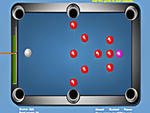



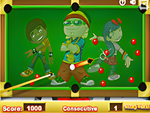
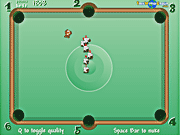 Sheep Pool

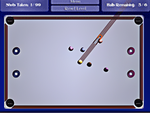


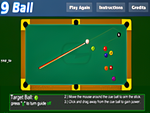




 Eight Billiard Balls





 Put Together the Picture - Martin Mystery
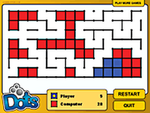
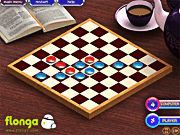 Golden Reversi
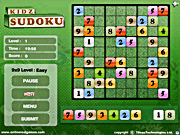 Sudoku for Kids





















About the games in this section
This board-game collection brings together turn-based matches, deduction puzzles and games played on a virtual table. Think through a chess move, extend a domino chain, uncover a color code or dismantle a mahjong layout. Choose by the kind of play you want as well as by a familiar name: a contest, an independent puzzle or a carefully aimed shot.
Taking turns against an opponent
In a match, look beyond the next action. An empty square or a matching tile is not automatically the best move: consider what will remain on the board and which opportunities the other side will gain.
- 3D Chess provides a chess match against the computer. Selecting a piece highlights its legal moves, so compare the options before confirming a move.
- Dominoes asks you to match numbers at the open ends of a tile chain. Choose a table for two, three or four participants and play a match to 100 points.
- Hexagon uses copying moves and jumps to compete for a hexagonal board. Consider how expanding your area will change your opponent's position.
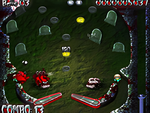
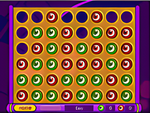
- Tic Tac Toe puts a twist on the familiar three-in-a-row rule. Skulls and bones replace the usual marks, while spiders change the larger board after turns.
In dominoes, watch the numbers remaining in your hand; in territory games, consider the space around your pieces. Compare the consequences before choosing the first available action: that decision is a central part of the match.
Puzzles without a direct opponent
Here, progress comes from making the solution consistent. A number you place or a combination you test gives you information for the next step. Use the constraints you already know instead of making unrelated guesses.
- Sudoku uses a 9×9 grid and the digits 1 to 9, with no repeats in any row, column or 3×3 box. Notes store possible candidates, and hints explain the next step.
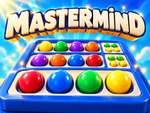
- Mastermind: Code Breaker asks you to identify a secret row of colored pegs from feedback after each check. Colors may repeat. Green markers count pegs with the correct color and position; yellow markers count correct colors in other positions. The markers do not identify particular positions in your row.
- Mahjong 3D challenges you to clear a layered layout of 144 tiles by removing available pairs. Choose among nine layouts and use zoom or a different viewing angle to inspect the layers.
In mahjong, consider which tiles a pair will uncover, rather than simply matching the first pictures you spot. Revisit nearby areas in sudoku after placing a number. For the color code, compare several previous checks to eliminate possibilities step by step.
A virtual table and careful aim
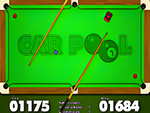
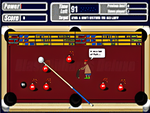
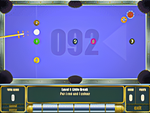
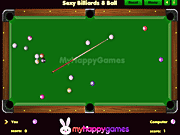
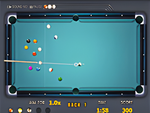
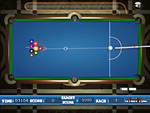
- Billiards asks you to send balls into pockets. Pick it when you want to switch from planning board moves to choosing the direction of a shot.
Questions about the collection
Does every game require an opponent?
No. Chess and dominoes use alternating turns between participants, while sudoku and mahjong solitaire offer a puzzle to solve. Check the selected version's description.
Is Mahjong 3D a four-player mahjong match?
No. This version is solitaire, where you remove pairs of tiles. Its format differs from a traditional competitive mahjong match.
Where can I find the rules for an unusual version?
Read “How to play” and the prompts on its page. Even a familiar name may involve a changed board or special restrictions, as in the tic-tac-toe variant with spiders.