Logic
 Monsters in the Dark

 Animal Parade


 Dynamite Blast
 Send Home



 Angela's Hidden Stars

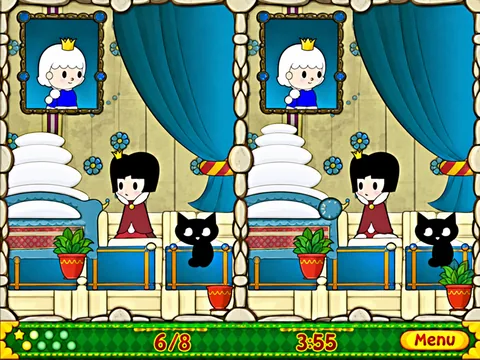 The Princess and the Pea — Find the Differences
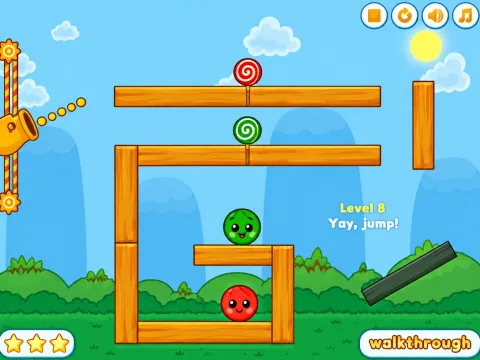 Red and Green 2
 Crush the Castle 2
 Fluffy Steel
 Parking Lot Hooligan

 Parking Lot Hooligan 2
 Cats in the Supermarket

 Papa Louie's Diner
 Remember the Symbols
 Raft Wars 2
 Lost Inca Prophecy

 Supermax


 Make the Monkey Happy: Bats
 Zombie Shooter
 Basketball Shooter 2
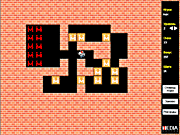 Sokoban
 Super Mario - Find the Differences
 Pupzzle
 Bear Coloring
 Masyanya DJ
 Puzzle - Animals Forward


 Papa Louie's Taco Mia
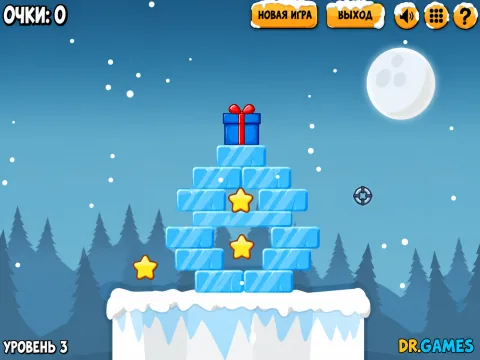 Snowballs
 Music Box
 Escape of the Accused
 Alvin the Chipmunk


About the games in this section
Logic games on IGROFLOT ask you to find patterns, clear a path, connect elements and work out how one move changes the board. The collection includes number puzzles, blocks and arrows, coloured pieces, chess and physical challenges. Choose the kind of solution you want to explore: finding a valid number, planning a sequence of moves or predicting where an object will go.
Numbers and hidden squares
In puzzles with constraints, begin with what you already know. Compare neighbouring areas and gradually rule out unsuitable options. Keep a clear distinction between a deduction and a guess: understanding why a move works makes it easier to catch mistakes before they affect the rest of the board.
- Sudoku — fill a 9×9 grid with the numbers 1 to 9, without repetitions in rows, columns or 3×3 boxes. The task is to find valid positions, not to add the numbers together.
- Minesweeper — reveal safe squares and mark places where you suspect mines. Work out where danger lies so you can clear the board without an explosion.
Clear a passage and rearrange the board
Spatial puzzles depend on the order of your moves. One object may block another, while a useful intermediate move can open several options. Before shifting a piece, consider where it will end up and whether there will be room for your next action.
- Arrow Trails — find curved arrows with a clear exit in the direction of their tips. Remove them in a suitable order, unblock paths and reveal pictures.
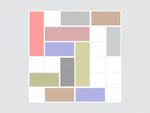
- Free the Brick — slide the obstructing bricks around the board to bring the dark-grey brick to the exit. Picture the corridor you need, then work on clearing it.
- Sokoban — help an elephant push crates into their designated places in a warehouse. Plan your pushes: a crate trapped in a corner cannot be pulled back out.
Colour combinations and board-game strategy
Similar-looking boards can call for different decisions. One game asks you to build a coloured line, another to aim a ball towards a matching group, while chess requires you to consider the opponent's reply. Learn what makes a move legal and which change brings you closer to the goal.
- Lines — move coloured balls and build lines. Consider which squares you should keep clear for later moves.
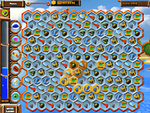
- Shoot Balls — Bubble Shooter — aim and shoot balls towards groups of the same colour to clear the field. Compare the available directions before firing.
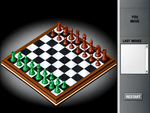
- 3D Chess — play against the computer and think through your pieces' moves. Highlighted legal moves show your options, but you still need to assess their consequences.
Physics and judging a shot
In throwing and destruction challenges, picture the trajectory and the result of an impact. Assess the targets' positions, then compare your plan with what happens. Watching the flight helps explain why a projectile passed above, below or beside a structure.
- Crush the Castle 2 — destroy castles and other structures with a catapult. Progress further and strengthen your weapons for the challenges ahead.
Frequently asked questions
Do I need to be quick at arithmetic?
Many activities involve no calculations: moving blocks, finding connections, clearing arrows and playing chess. Even in Sudoku, numbers are elements to place correctly; solving the puzzle does not require adding them up.
What should I choose if I enjoy planning several moves ahead?
Try Sokoban, the brick-sliding puzzle or chess. The first two ask you to picture a future arrangement; chess also requires you to consider the opponent's possible reply.
Does every game have hints and an undo button?
Available tools vary. Read the How to play section and the game's own instructions, then check its buttons. A feature in one puzzle is not automatically available in another.